
Die Wiedergabe erfolgt in der Sprache, die Sie gerade lesen. Tippen Sie auf einen beliebigen Absatz, um dort zu beginnen.
Wenn Sie online verkaufen oder von Kunden auf der ganzen Welt bezahlt werden, besteht eine gute Chance, dass Sie für eines davon stillschweigend zu viel bezahlen.
Airwallex und Payoneer sehen ähnlich aus. Ihre Gebührenstrukturen sind jedoch völlig unterschiedlich. Und diese Lücke kann Sie Hunderte oder Tausende pro Jahr kosten.
Lassen Sie es mich also aufschlüsseln. Empfangsgebühren, Wechselkurse, Abhebungskosten und genau, wer welche auswählen sollte. 👇
⚠️ Offenlegungs- und Genauigkeitshinweis: Einige Links sind Affiliate-Links – ich erhalte möglicherweise eine Provision, ohne dass Ihnen dadurch zusätzliche Kosten entstehen. Dies ist keine Finanzberatung. Airwallex ist ein Lizenzierte Zahlungsplattform, keine BankGebühren und Funktionen variieren je nach Land und ändern sich — Bestätigen Sie die aktuellen Details auf jeder offiziellen Website für Ihre Region.
⚔️ Testen Sie Airwallex kostenlos – behalten Sie mehr von jeder Zahlung
📌 Wichtigste Erkenntnisse
Airwallex vs. Payoneer im Vergleich für 2026. Empfangsgebühren, Wechselkurse, Auszahlungskosten, Marktplatzeinzug und genau, wer welche auswählen sollte. Für Verkäufer und Freiberufler.
- 🆓 Kostenloser Explore-Tarif (0 €/Nutzer/Monat); Grow kostet 12 €/Nutzer/Monat
- 📉 Ca. 0,5 % Währungsaufschlag auf gängige Währungen + kostenlose lokale Überweisungen in über 120 Länder
- ⚠️ Eine lizenzierte Zahlungsplattform – KEINE Bank (keine Einlagensicherung)
Der Hintergrund: Spezialist vs. Generalist 📖
Lassen Sie mich diese beiden einrahmen. Es erklärt den gesamten Vergleich.
Payoneer hat sich als Anlaufstelle für die Bezahlung auf Marktplätzen und Plattformen einen Namen gemacht. Amazon, Upwork, Fiverr und viele andere lassen sich darin integrieren. Es ist ein vertrauenswürdiger Spezialist für „Ich werde von einer großen Plattform bezahlt.“
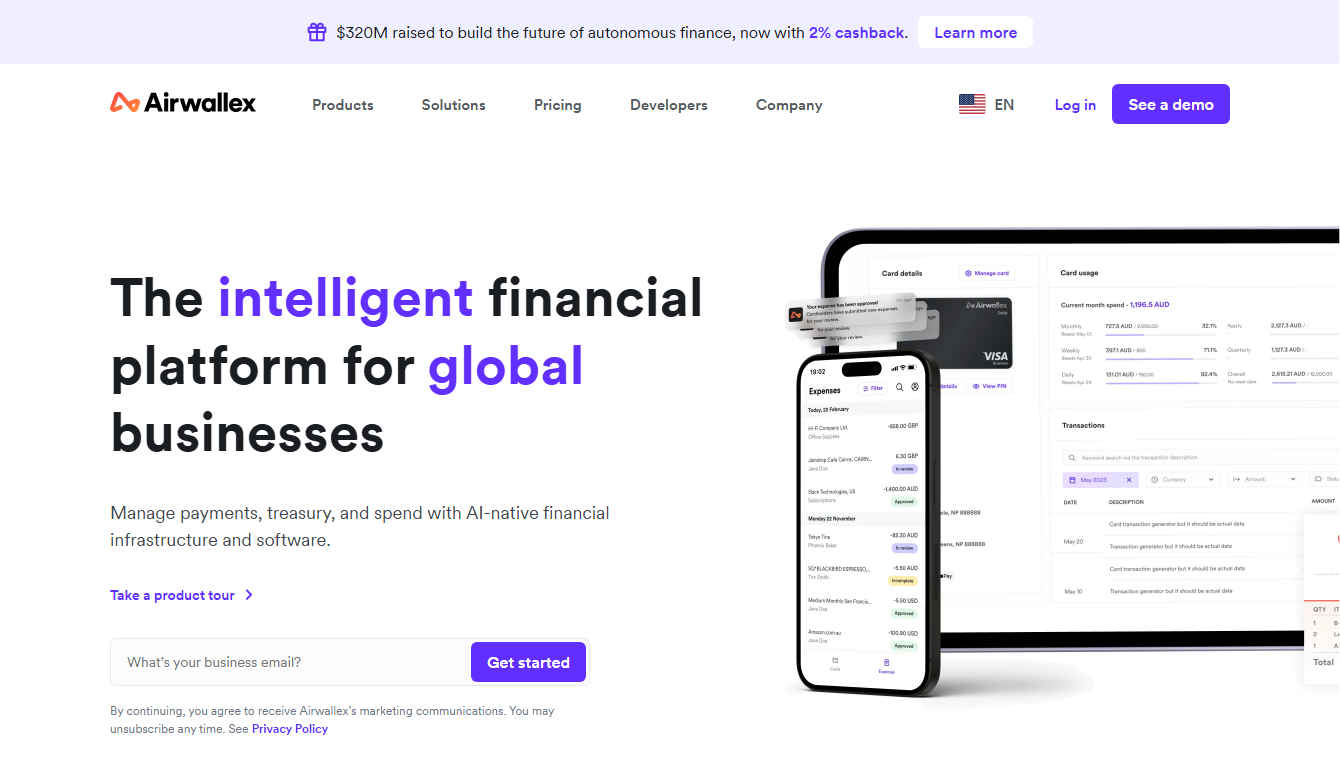
Airwallex ist eine breitere Finanzplattform. Es sammelt Zahlungen, verwaltet viele Währungen, bezahlt Lieferanten, stellt Karten aus und integriert sich tief. Es ist ein Generalist, der für den gesamten Geschäftsbetrieb konzipiert ist.
Die Frage lautet also: Müssen Sie hauptsächlich von Marktplätzen bezahlt werden, oder benötigen Sie einen vollwertigen Finanzknotenpunkt? Behalten Sie das im Auge, während wir vergleichen. Mein vollständiger Airwallex-Testbericht deckt die Nabenseite ab.
Gebühren: Wo ist die eigentliche Lücke 💸
Das ist das Herzstück davon. Und hier zahlen Verkäufer zu viel, ohne es zu merken.
Die Gebühren von Payoneer können sich stapeln: Empfangsgebühren aus einigen Quellen, Aufschläge für die Devisenumrechnung (häufig etwa 0,5–2 %, je nach Zahlungsstrom) und Auszahlungsgebühren. Jeder Schritt kann ein Stück dauern. Für Großverkäufer summieren sich diese Anteile.
Airwallex hält den Devisenaufschlag niedrig – etwa 0,5 % über dem Interbankenaufschlag für die wichtigsten Währungen – und bietet kostenlose lokale Überweisungen in über 120 Länder. Weniger Scheiben unterwegs bedeuten oft, dass mehr Geld übrig bleibt.
| 💱 Airwallex | 🔵 Payoneer | |
|---|---|---|
| FX-Aufschlag | ~0,5 % (wesentlich) | ~0,5–2 % (variiert) |
| Marktplatzintegration | Wachsend | Sehr stark |
| Lokale Transfers | Kostenlos in über 120 Länder | Es können Abhebungsgebühren anfallen |
| Karten und Rabatte | Firmenkarten + USD-Rabatte | Karte verfügbar |
Die ehrliche Erkenntnis: In Bezug auf die reinen Devisen- und Transferkosten ist Airwallex oft günstiger. Für umfassende Marktplatzerfassung sind die Integrationen von Payoneer stärker. Mein Airwallex-Gebührenführer bricht alles zusammen.
Wo Payoneer glänzt: Marktplätze 🛒
Lassen Sie mich fair sein. Payoneer hat hier einen echten Vorteil.
Wenn Sie hauptsächlich über große Marktplätze und Plattformen bezahlt werden – Amazon, Upwork, Fiverr und viele mehr – erleichtern die umfassenden, langjährigen Integrationen von Payoneer das Sammeln. Es ist oft der Weg des geringsten Widerstands.
Für einen Verkäufer, dessen Einnahmen hauptsächlich über diese Plattformen erzielt werden, ist die Spezialisierung von Payoneer eine echte Stärke. Es funktioniert einfach mit den Orten, die Sie bezahlen.
Wenn Ihre Welt also lautet: „Der Markt zahlt mir, ich ziehe ab“, ist Payoneer eine starke, bewährte Wahl. Lehnen Sie es nicht ab. Die Frage ist, ob Sie mehr als das brauchen.
💡 Test Airwallex's low-fee collection free
Wo Airwallex glänzt: das Finanz-OS 🧰
Jetzt die andere Seite. Airwallex leistet mehr als nur das Sammeln.
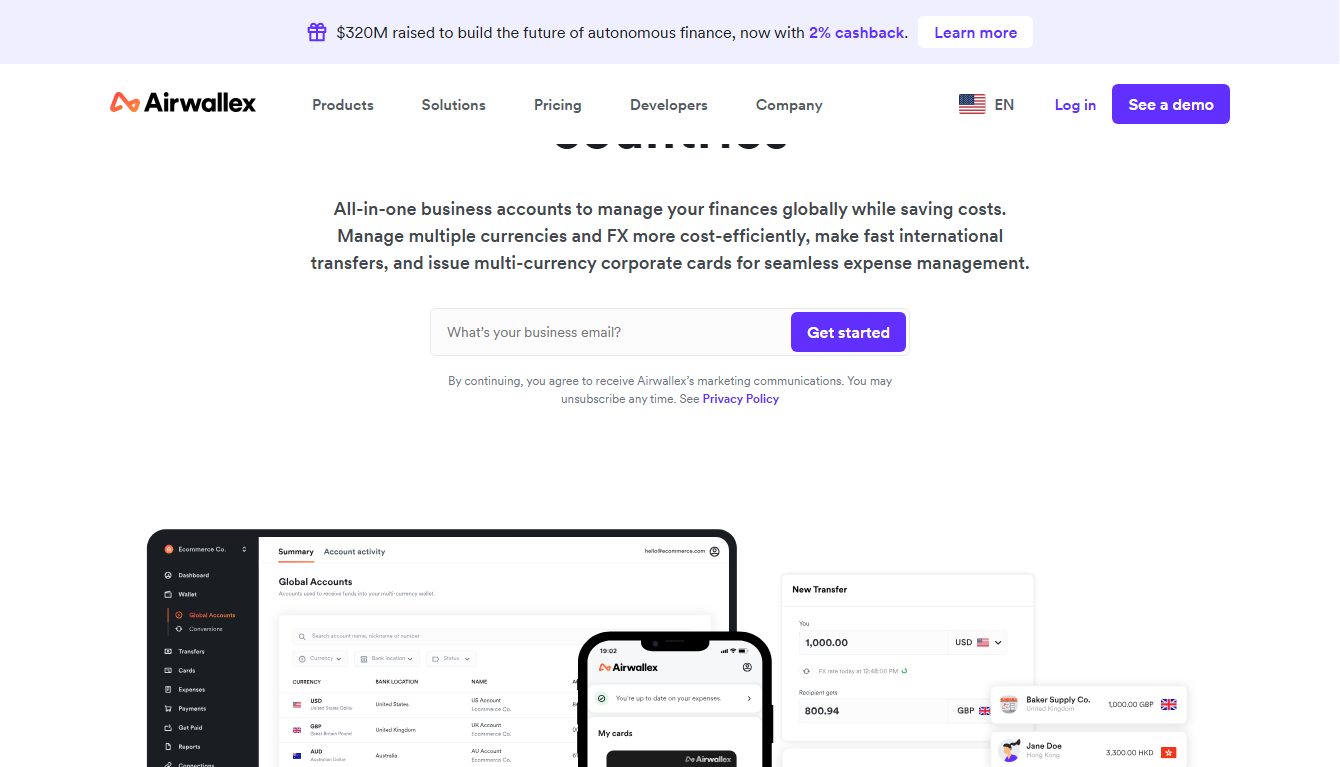
Es verwaltet mehr als 20 Währungen, gibt lokale Kontodaten an, bezahlt Lieferanten im Ausland günstig, stellt Firmenkarten mit Rabatten aus, verwaltet Ausgaben und lässt sich in Shopify, Xero, NetSuite und Amazon integrieren. Es ist ein vollständiges Finanzbetriebssystem.
Für ein Unternehmen, das mehr tut, als nur Marktplatzauszahlungen zu erhalten – das Lieferanten bezahlt, Werbeausgaben verwaltet, ein Team verwaltet und bei allem niedrige Wechselkurse wünscht – ist die Breite von Airwallex der Gewinn.
Wenn Ihr Geschäft also größer ist als „Einsammeln und Abheben“, zahlt sich die Tiefe von Airwallex aus. Mein Airwallex für E-Commerce Und für Amazon-Verkäufer Führer gehen tiefer.
Geschwindigkeit, Support & Reichweite ⚡
Beide bewegen Geld schneller als Banken und erreichen viele Länder. Hier sind sie nah dran.
Bei Support handelt es sich bei beiden um Fintechs, daher variieren die Erfahrungen. Einige Benutzer loben jeden; Einige Berichte warten. Dies gilt branchenweit und nicht nur für beide.
Im Hinblick auf die Reichweite decken beide eine breite globale Präsenz ab, obwohl die einzelnen unterstützten Länder und Währungen unterschiedlich sind. Überprüfen Sie immer, ob Ihre genauen Länder und Währungen abgedeckt sind, bevor Sie sich verpflichten.
Der praktische Punkt: Geschwindigkeit und Reichweite sind weitgehend vergleichbar. Die eigentliche Entscheidung hängt von den Gebühren ab und davon, was Sie über die bloße Bezahlung hinaus benötigen.
Wer soll welches auswählen 🤔
Ich will es Ihnen einfach machen. Passen Sie sich selbst an.
Wählen Sie Payoneer, wenn:
- 🛒 Deine Einnahmen stammen größtenteils von Marktplätzen (Amazon, Upwork, Fiverr).
- 🧩 Sie möchten das einfachste Plug-in für diese Plattformen.
- 💼 Sie benötigen hauptsächlich „bezahlt bekommen, abheben“.
Wählen Sie Airwallex, wenn:
- 🏢 Sie führen ein umfassenderes Geschäft: Lieferanten, Team, Werbeausgaben.
- 💸 Sie möchten die niedrigsten Wechselkurse und kostenlose lokale Überweisungen.
- 🔌 Sie möchten umfassende Integrationen, Karten und Spesentools.
- 🌍 Du hältst viele Währungen und wandelst sie strategisch um.
Beide sind stark für Online-Verkäufer. Der Gewinner hängt davon ab, ob Sie einen Spezialisten oder einen Hub benötigen. Siehe meine Lohnt sich Airwallex? Posten Sie für mehr.
Warum viele Verkäufer beides nutzen 🤝
Das ist ein kluger Schachzug vieler Top-Seller. Sie nutzen beides.
Sie kassieren Marktplatzauszahlungen bei Payoneer (wo die Integrationen glänzen) und überweisen die Gelder dann an Airwallex, um sie zu halten, zu niedrigen Wechselkursen umzuwandeln, Lieferanten zu bezahlen und Karten zu verwalten. Das Beste aus beiden Welten.
Diese Kombination nutzt die Stärke jedes Werkzeugs aus. Payoneer für einfaches Sammeln auf dem Marktplatz. Airwallex für kostengünstige Operationen. Sie sind nicht gezwungen, sich für immer für eines zu entscheiden.
Der Einfachheit halber konzentrieren sich wachsende Unternehmen jedoch häufig auf Airwallex als Hauptdrehscheibe, wenn ihre Anforderungen über die Sammlung auf dem Marktplatz hinausgehen. Beginnen Sie dort, wo Sie passen, und entwickeln Sie sich weiter.
Sehen Sie sich den vollständigen Vergleich an 🎥
Bevorzugen Sie ein Video? Hier ist meine verkäuferorientierte Aufschlüsselung.
Ein echtes Kostenszenario 🧮
Lassen Sie mich die Lücke anhand von Zahlen aufzeigen. Es ist augenöffnend.
Angenommen, Sie sammeln 20.000 US-Dollar im Monat und wandeln den Großteil davon um. Wenn Ihre Plattform etwa 2 % der kombinierten Empfangs- und Devisenkosten beansprucht, sind das 400 US-Dollar pro Monat – 4.800 US-Dollar pro Jahr. Wenn eine Low-FX-Plattform näher an 0,5 % liegt, sind das 100 $ pro Monat – 1.200 $ pro Jahr. Bei gleichem Einkommen beträgt die Differenz 3.600 US-Dollar pro Jahr.
Jetzt können Marktplätze einen bestimmten Inkassopfad erzwingen, und hier kommt es auf die Integrationen von Payoneer an. Aber für den Teil, den Sie kontrollieren – Halten, Konvertieren und Auszahlen – summieren sich niedrige FX schnell. Genau aus diesem Grund leiten viele Verkäufer ihr Geld für den Umstellungsschritt über Airwallex weiter.
Die Lektion: Schauen Sie nicht nur auf „Kann ich bezahlt werden?“. Schauen Sie sich „Wie viel verliere ich unterwegs“ an. Für Großverkäufer stellt sich die zweite Frage: Wo steckt das echte Geld?
Häufig gestellte Fragen ❓
Ist Airwallex günstiger als Payoneer?
Bei Devisen und Überweisungen hält Airwallex häufig einen Aufschlag von etwa 0,5 % für die wichtigsten Währungen mit kostenlosen lokalen Überweisungen. Die Kosten von Payoneer können sich auf Empfang, Devisen und Auszahlung verteilen. Ihr genauer Durchfluss entscheidet.
Airwallex vs. Payoneer für Amazon-Verkäufer – was ist besser?
Payoneer verfügt über eine starke und einfache Marktplatzintegration. Airwallex zeichnet sich durch niedrige Wechselkurse, Lieferantenzahlungen und einen reibungslosen Betrieb aus. Viele Verkäufer nutzen beides. Siehe meine Airwallex für Amazon-Verkäufer Führung.
Kann ich sowohl Airwallex als auch Payoneer verwenden?
Ja, und das tun viele. Sammeln Sie mit Payoneer, wo dessen Integrationen hilfreich sind, und überweisen Sie dann Gelder an Airwallex für Low-FX-Konvertierung und Lieferantenzahlungen.
Was ist besser für Freiberufler: Airwallex oder Payoneer?
Payoneer ist einfach, wenn Sie über Plattformen wie Upwork bezahlt werden. Airwallex eignet sich für Freiberufler mit einer Geschäftseinheit, die tiefergehende Funktionen wünschen. Siehe meine Airwallex für Freiberufler Post.
Ist Payoneer oder Airwallex sicherer?
Bei beiden handelt es sich um lizenzierte, regulierte Fintechs (keine Banken), die weit verbreitet und vertrauenswürdig sind. Keine der beiden bietet eine Einlagensicherung im Bankstil an. Siehe meine Airwallex-Sicherheitsüberprüfung.
Lässt sich Airwallex in Marktplätze integrieren?
Airwallex unterstützt Sammlungen und Integrationen, einschließlich Amazon, und sein Ökosystem wächst. Für die umfassendste Marktplatz-Plug-in-Abdeckung ist Payoneer nach wie vor der Spezialist.
Schlussgedanken 🏁
Bei Airwallex vs. Payoneer kommt es auf den Unterschied zwischen Spezialist und Hub an.
Payoneer ist der vertrauenswürdige Spezialist für die Bezahlung auf Marktplätzen. Airwallex ist das umfassendere Finanz-Betriebssystem mit niedrigeren Wechselkursen, kostenlosen lokalen Überweisungen, Karten und umfassenden Integrationen. Beide schlagen Banken bei Online-Verkäufern.
Wenn Ihr Einkommen hauptsächlich aus Auszahlungen auf dem Marktplatz besteht, ist Payoneer einfach und bewährt. Wenn Sie ein umfassenderes Unternehmen führen und von jedem Dollar mehr behalten möchten, ist Airwallex die Gewinnerin. Oder verwenden Sie beides. Der kluge Schachzug: Eröffnen Sie das kostenlose Airwallex-Konto, testen Sie es an Ihren realen Flows und lassen Sie die Zahlen entscheiden.
⚔️ Testen Sie Airwallex kostenlos und behalten Sie mehr von jedem Verkauf
Affiliate-Link · Keine Bank · Keine Finanzberatung · Bitte überprüfen Sie die Angaben für Ihre Region

Letzte Aktualisierung: 2026. Gebühren und Funktionen beider Plattformen basieren auf offiziellen Angaben zum Zeitpunkt der Veröffentlichung und können je nach Region variieren. Airwallex ist eine lizenzierte Zahlungsplattform, keine Bank. Dieser Vergleich dient der allgemeinen Information und stellt eine ehrliche Meinung dar, keine Finanzberatung.

- Does a Small Business Website Pay for Itself? - September 30, 2026
- YouTube Description Generators: Only Two Lines Matter - September 30, 2026
- Hosting Uptime Claims vs Measured Reality - September 27, 2026