
يلعب باللغة التي تقرأها. اضغط على أي فقرة للبدء من هناك.
يشير كل دليل في هذه السلسلة إلى "النظام". نظام الشراء وراء كل سجل هروب، وكل بناء مكدس، وكل سطر من دفتر الأستاذ.
هذه الصفحة هي ذلك النظام، كاملا، في مكان واحد.
إنه موجود بسبب وجود فجوة.
سنتي الأولى في AppSumo: معدل الاحتفاظ بالعملة المعدنية، وخمس عمليات شراء دافعة، والحماس في يوم الإطلاق كاستراتيجية.
كل عام منذ ذلك الحين: أربعة من كل خمسة حراس، ومداخن ذاتية التمويل، وصافي 9000 دولار مقدمًا.
وكانت الصفقات متطابقة. كان الفرق عملية.
اقرأ هذا مرة واحدة قبل عملية الشراء التالية وستصبح بقية السلسلة مادة مرجعية.
ال خصم 10% على الطلب الأول يبقى الخطوة صفر، كما كان من أي وقت مضى. 📋
🧾 أهم النقاط
| المرحلة | القاعدة |
|---|---|
| قبل التصفح | مشاريع القوانين والاختناقات تكتب القائمة المختصرة |
| لكل صفقة | بروتوكول العشر دقائق |
| التوقيت | النافذة الذهبية، الأيام 4-14 |
| المستوى | ثمانية عشر شهراً؛ طبقة واحدة عندما تمزق |
| بعد الشراء | النشر خلال أسبوع؛ اليوم 45 يقرر |
| سنويا | إعادة التدقيق، وإعادة الفرز، والخطة لشهر نوفمبر |
| النفقات العامة | حوالي ساعة لكل عملية شراء |
🧾 الأساس الأول: الفواتير أولاً، دائمًا
تسبق قاعدة تحميل النظام كل عملية شراء، ولا يقوم معظم المشترين بتثبيتها أبدًا.
يتم كتابة القائمة المختصرة حسب نفقاتك، وليس رفوف السوق.
قبل أي تصفح، قم بتشغيل تدقيق كشف الحساب البنكي لمدة عشرين دقيقة.
تم تسليط الضوء على كل رسوم البرامج. كل الموسومة مع وظيفتها الفعل عادي.
وينتج عن ذلك قائمة التسوق الوحيدة التي يمكن تحويلها بشكل موثوق إلى حراس.
لأن الصفقة التي تمحو فاتورة تدفعها يتم إثبات حالة عملها مسبقًا من خلال المحاسبة الخاصة بك.
القائمة المرافقة هي الاختناقات
يتم تسجيل الاحتكاكات المتكررة عند حدوثها. التحويل اليدوي الذي تخشاه. المتابعة التي أسقطتها.
يصبح كل واحد مرشحا ل تتبع قائمة المراقبة، مع إرفاق شرط الزناد.
بينهما، أدت الفواتير والاختناقات إلى إنشاء كل عملية شراء تحتوي عليها دفاتر حسابات هذه السلسلة.
وغيابهم ولّد كل دخول في كومتي المهجورة.
إن الشكل السلبي للقاعدة مهم بنفس القدر
النسبة المئوية ليست حالة استخدام. العد التنازلي ليس حاجة. المستقبل المتخيل ليس عنق الزجاجة.
ال كتالوج مكافحة المكدس - مستويات الوكالة دون مسارات العملاء، ومجموعات الذكاء الاصطناعي المتداخلة، وأدوات الطموحات غير المجدولة - هل تم انتهاك هذه القاعدة بخمس طرق.
و جدار الحماية FOMO هي آلية تنفيذها.
تم فتح التنبيهات المطابقة لقائمة المراقبة. تم أرشفة كل شيء آخر غير مقروء. قاعدة مرشح لمدة 24 ساعة للناجين.
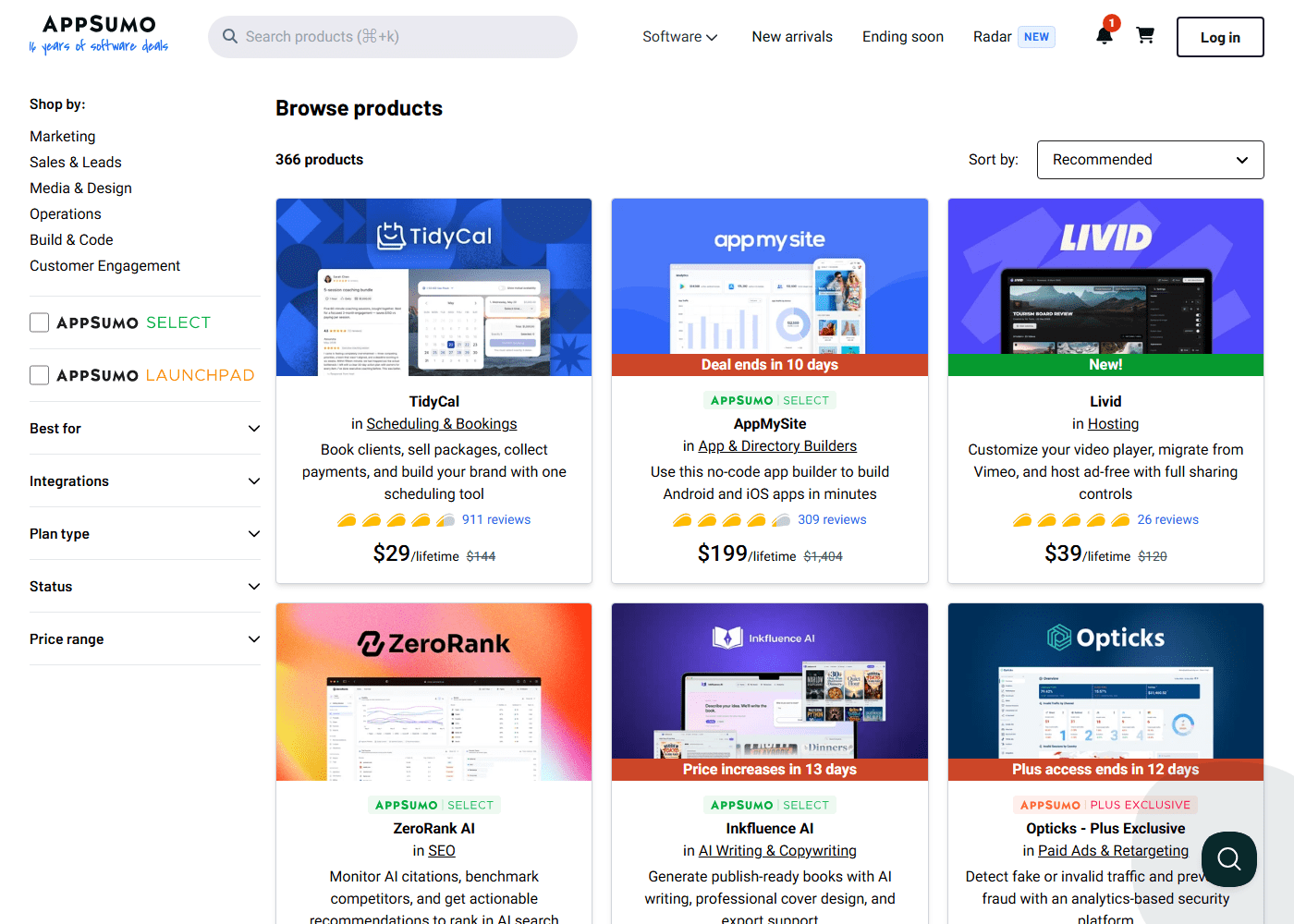
قم بتثبيت القاعدة وستنقسم منتجات النظام الأساسي البالغ عددها 366 إلى المنتجات الستة التي تهمك.
تخطيها وستبيع لك المنصة بكل سرور الـ 360 الأخرى. 🎯
🔍الأساس الثاني: بروتوكول العشر دقائق
لكل صفقة مرشح، يستغرق الاجتهاد الذي يفصل بين العصرين عشر دقائق، بشكل منظم.
| دقائق | تحقق |
|---|---|
| 1 | خط الضمان |
| 2–3 | مخطط الطبقة، تماما |
| 4–6 | أحدث عشرة مراجعات |
| 7–8 | نبض المؤسس وسجل التغيير |
| 9–10 | الشارات والعدادات |
الدقيقة الأولى: خط الضمان. تحت السعر، تأكيد المعيار تغطية لمدة 60 يومًا. بالإضافة إلى العناصر المميزة والمستثناة.
الدقيقتان الثانية والثالثة: مخطط المستوى بالكامل.
حدود كل طبقة ضد الخاص بك توقعات ثمانية عشر شهرا. شكل سلم التراص.
والميزات المحددة التي تحتاجها - العلامة البيضاء، وواجهة برمجة التطبيقات (API)، والمقاعد - في أي عدد من الأكواد الموجودة بالفعل.
الدقائق من الرابعة إلى السادسة: أحدث عشرة مراجعات.
مرتبة حسب الأحدث، وليس حسب الأعلى. القراءة من أجل سندويشات التاكو المستقرة، وأنماط الشكوى المتكررة، والأخبار الخاصة بالفئة المحددة.
شكاوى المزامنة ل إدارة علاقات العملاء. إمكانية التسليم ل بريد إلكتروني. "توقف النشر" ل المجدولون. اختناق ل أدوات الذكاء الاصطناعي.
الدقيقتان السابعة والثامنة: نبض المؤسس.
سرعة الاستجابة لعلامة التبويب الأسئلة ومضمونها - أفضل توقعات الدعم الموجودة.
بالإضافة إلى سجل التغيير. تم شحنها هذا الشهر أم لا، وهو أقوى مؤشر للبقاء على قيد الحياة عبر دفتر الأستاذ الخاص بي.
الدقيقتان التاسعة والعاشرة: الشارات والأمتار.
حدد جودة ترجيح الحالة لأعلى. أصول انهيار مخاطر البائع تماما.
وبالنسبة لأي شيء على شكل الذكاء الاصطناعي، فإن شاشات العداد الصادق والإيرادات المتوازية.
مشتري الوكالة طبقة أسبوع الاجتهاد ذو العلامة البيضاء في المقدمة لأي شيء يواجه العميل.
البروتوكول ممل حسب التصميم. الملل هو ما تصنع منه معدلات حراس المرمى الأربعة من كل خمسة. ✅
🎁 الخطوة صفر: قم بإيداع الـ 10% أولاً →
⏰ الأساس الثالث: التوقيت
المرشح الذي تم التحقق منه يلبي التقويم. ثلاث طبقات توقيت تحكم الاجتماع.
طبقة الحملة: النافذة الذهبية.
يتم تشغيل الأيام من الأول إلى الثالث عند إطلاق الضجيج. شاهد، لا تشتري.
الأيام من الرابع إلى الرابع عشر هي نافذة ذهبية. تمت تسوية المراجعات بشكل صادق، ونمط المؤسس مرئي، وتم تخزين المستويات، وشروط الإطلاق سليمة.
إن تسخين وإنهاء اللافتات بعد ذلك يفرض قرارات على المرشحين تم التحقق منها بالفعل. أبدا الاكتشافات.
استثناء الضغط: الطبقات العليا النادرة قم بالبيع أولاً، لذلك يقوم مشتري السعة بالتنفيذ مبكرًا بحرص ما قبل الحملة.
طبقة البنية التحتية: نظام التتبع.
رسائل البريد الإلكتروني التنبيهية، وفحص الرف يوم الإثنين، وقائمة المراقبة المفعّلة بالوظيفة.
إنه يضمن تلبية النوافذ بدلاً من الحداد. لها الإعداد لمدة عشر دقائق هو العنصر الأفضل دفعًا في النظام.
الطبقة الموسمية: التقويم السنوي.
تعمل المشتريات في الموسم الثابت على تشغيل إيقاع النافذة الذهبية.
من سبتمبر فصاعدًا، تنتقل السعة المؤجلة إلى قائمة أمنيات الجمعة السوداء، حيث تتركز أسعار الأرضية وعودة القيامة.
و بالإضافة إلى الرياضيات العضوية يحصل على مسيرته السنوية الصادقة.
تركيب التوقيت: تحويل الفواتير العاجلة الآن، والقدرة المؤجلة تنتظر نوفمبر، والقرارات - وليس الاكتشافات أبدًا - تحدث تحت ضغط العد التنازلي.
ال تعديل بدء التشغيل لتقف على الساعات المضغوطة. إن قدرة الإطلاق الحرجة تتفوق دائمًا على توقيت الصفقة. ⏳
📊 النظام، من النهاية إلى النهاية
📈عصري نفس السوق
🛡️ الأساس الرابع: دفتر المخاطر
الأساس الرابع يعمل تحت كل عملية شراء. يتم تثبيت أوضاع المخاطر مرة واحدة، قبل أن تكون هناك حاجة إليها.
| خطر | الموقف |
|---|---|
| وفيات البائع | حدد، وسجلات التغيير، والأصول، وتنويع |
| التسعير الخاطئ للقدرات | ثمانية عشر شهراً؛ طبقة واحدة عندما تمزق |
| استدامة الذكاء الاصطناعي | عدادات صادقة، إيرادات موازية |
| حراسة البيانات | التحقق من الصادرات في الأسبوع الأول، ربع سنوي بعد ذلك |
| المخاطرة الذاتية | جدار الحماية وسقف الميزانية |
وفيات البائع - ما يقرب من واحد من كل عشرة شركاء LTDs ينتهي بهم الأمر في نهاية المطاف.
تتم إدارتها من خلال تفضيل شارة التحديد، ونبض سجل التغيير في كل تشغيل للبروتوكول، إرساء النسخ الأصلية قاعدة المكدس، والتنويع على التركيز.
بالإضافة إلى عادة التصدير الفصلية، التي تحول أي غروب من الأزمة إلى هجرة في عطلة نهاية الأسبوع.
التسعير الخاطئ للقدرات تتم إدارته من خلال عدم التماثل الأسف. الإفراط في شراء المبالغ المستردة. إن انخفاض الشراء يدفع أسعار ما بعد الحملة إلى الأبد.
استدامة الذكاء الاصطناعي يدير شاشات عداد صادقة على أي شيء على شكل جيل، مع التعامل مع عبارة "غير محدود إلى الأبد" على أنها مأساة يمكن الاعتماد عليها.
حراسة البيانات. يتم التحقق من مسار التصدير الخاص بكل أداة تحتوي على بيانات الأعمال في الأسبوع الأول ويتم تطبيقه كل ثلاثة أشهر.
لأن درس الفئة معمم. يجب أن يكون لبياناتك دائمًا مخرج، بما في ذلك من مركبات الهروب نفسها.
والمخاطرة الذاتية، هي المدخل الأكبر في دفتر الأستاذ.
الإقناع الاحترافي لآلات FOMO، والذي تتم إدارته من خلال جدار الحماية، وبوابة الفواتير أولاً، والحد الأقصى للميزانية.
لقد كتب غياب تلك التخصصات كومة مهجورة من حقبتي. لقد أبقى وجودهم العصر الثاني نظيفًا.
ال ملف المخاطر الكامل أسعار كل في معدلها المقاس.
المخاطرة، في هذا النظام، ليست مزاجًا عند الخروج. إنها قائمة مرجعية تم تشغيلها بالفعل. ⚙️
🔄 حلقة ما بعد الشراء
الخروج هو نقطة المنتصف للنظام، وليس نهايته.
عند الشراء، ثلاثة أعمال.
ال تذكير اليوم 30 واليوم 45 تقويمي - الضمان يحمي فقط المشترين الذين يتذكرونه.
تم استرداد الترخيص فورًا من بريد التسليم الإلكتروني.
وفتح خط دفتر الأستاذ. مدفوع، معادل للاشتراك، في انتظار الحكم.
الأسبوع الأول: الانتشار في العمل الحقيقي.
مشاريع العميل الفعلية والمحتوى المباشر وبيانات الإنتاج.
لأن صناديق الحماية تولد الآراء بينما يولد الإنتاج الأدلة.
يتم إجراء اختبار الأسبوع الأول لكل دليل فئة هنا، بينما تكون النافذة أطول. الحفاظ على الصوت. جودة الجسم. عمليات تدقيق المخرجات. محاكاة الأسبوع السيئ.
اليوم 30: فحص الاستخدام. مضمن أو واعد أو غير مفتوح - أجب بصدق.
يعتبر الحراس المضمنون التراص أثناء استمرار الحملة.
اليوم 45: النطق بالحكم مع أسبوعين عازلة.
احتفظ - و قم بإلغاء الاشتراك المستبدل بعد ظهر نفس اليوم، حدث التوفير الفعلي الذي توجد هذه الحلقة للوصول إليه.
أو استرداد. خدمة ذاتية، قبل يومين أو ثلاثة أيام، بدون ذنب.
ثم تتالي
يمول الاشتراك الملغى عملية شراء القائمة المختصرة التالية.
يعتمد المكدس على الأموال المستردة - التمويل الذاتي في الربع الثاني في كل بناء تم تسجيله في هذه السلسلة.
وتحافظ مراجعة دفتر الأستاذ ربع السنوية على أمانة المحفظة بأكملها.
حساب الحلقة هو أرقام العناوين الرئيسية للسلسلة. الحلقة الانضباط عبارة عن إدخالين في التقويم لكل عملية شراء.
سعر الصرف هذا هو السر كله. 📈
🗺️ جهاز التوجيه من النوع المشتري
النظام عالمي. تسلسل البناء ليس كذلك.
| أنت كذلك | كتاب اللعب الخاص بك | تسلسل |
|---|---|---|
| مستقل | الأساسية ثم النمو | الجدولة أولا |
| مشروع تجاري صغير | تحويل تدفق العملاء | أسوأ فاتورة أولا |
| وكالة | بناء المخزون | طبقات التسمية البيضاء |
| الخالق | الرافعة المالية أولاً | إعادة الاستخدام أولاً |
| بدء التشغيل | المرحلة صفر للانطلاق | المستويات المجانية أولاً |
المستقلين تشغيل بناء الأساسية ثم النمو.
الجدولة، إدارة علاقات العملاء، المقترحات، التتبع، المحفظة. ثم البريد الإلكتروني والمحتوى AI والدعم.
إجمالي 350 إلى 450 دولارًا أمريكيًا، تمويل ذاتي بحلول الربع الثاني، مع عائد الاحتراف باعتباره العائد الثاني الهادئ.
الشركات الصغيرة تشغيل تحويل تدفق العملاء.
تدقيق كشف الحساب البنكي، وإيقاع الأسبوعين، والعمود الفقري الذي تم العثور عليه - حجزه - تقديمه - مراجعته - إرجاعه.
الوكالات تشغيل بناء المخزون.
طبقات العلامات البيضاء المكدسة ككتالوجات قابلة للتسليم قابلة للفوترة، بالإضافة إلى ذلك من اليوم الأول، وطبقة الاجتهاد لمدة أسبوع على أي شيء يواجه العميل.
المبدعين التسلسل عن طريق الرافعة المالية. إعادة الاستخدام أولاً للحصول على أرباح الكتالوج الخلفي، ثم المجدول، و خط أنابيب الكتابة، و كومة الفيديو.
الشركات الناشئة تشغيل المرحلة صفر للإطلاق. مستويات مجانية حتى حدود قوة الجر، ثم مجموعة الإطلاق التي تقل قيمتها عن 500 دولار.
أيًا كان الإدخال الخاص بك، فإن النظام الأساسي يعمل تحته بشكل مماثل. كتب اللعب تأمر فقط بالمشتريات. 🧭
🗓️ الإيقاع السنوي
قم بتشغيل الحلقة لفترة كافية وستستقر في الإيقاع السنوي الذي يحتفظ به المحاربون القدامى.
يناير - تدقيق المكدس.
يواجه كل ترخيص اختبار استمرار الاستخدام. ال دفتر الأستاذ ذو ثلاثة أعمدة مجموع سنتها. علامة المستويات غير المستخدمة لإعادة التقييم.
و نوع ستة أسئلة إعادة التشغيل على الناجين من الاشتراك.
تنضج الفئات سنويًا، لذا فإن الإيجار العقلاني للعام الماضي هو مرشح التحويل لهذا العام.
من فبراير إلى أغسطس – عملية موسمية ثابتة.
مسح يوم الاثنين. نوافذ ذهبية. مشتريات الفواتير أولاً مع توافق الحملات والاحتياجات.
سبتمبر وأكتوبر – التجميد وقائمة الرغبات.
حديقة المشتريات المؤجلة لهذا الحدث. يتم الالتزام بالميزانيات مسبقًا كتابيًا. ال كتاب اللعب الجمعة السوداء يجهز اكتساحه.
نوفمبر – أسبوع التنفيذ.
ديسمبر - تدقيق الحدث وتصريح الإلغاء، التعامل مع الاشتراكات المستردة لهذا العام حيث يمكن لدفتر الأستاذ رؤيتها.
إن مردود الإيقاع يتجاوز المال
المشتري الذي يديرها يحمل المعرفة الحالية لاستخدامه الحقيقي للأدوات. نظام تتبع مضبوط. علاقة منضبطة مع آلية الإقناع.
والجزء الذي لا يتم تسليمه بعملية شراء واحدة. المعايرة.
الإحساس بالنمط المتراكم الذي يقرأ صفحة الصفقة في ثوانٍ، ويسعر سلم الطبقة في لمحة، ويتعرف على نسخة هذا العام من خطأ العام الماضي قبل الخروج.
كان ارتفاع معدل حارس المرمى الخاص بي من رمي العملة المعدنية إلى أربعة من خمسة هو نتيجة تراكم هذه المعايرة، حيث كان الحكم صادقًا لمدة 45 يومًا في كل مرة. 🧠
📔 العصران، مفصلا
دليل النظام هو التباين الذي ينتجه.
العصر الأول – السنة الأولى، ما قبل النظام.
اثنا عشر عملية شراء. ستة حراس، معدل رمي العملة.
خمس عمليات شراء دافعة أصبحت الكومة المهجورة، مجتمعة بقيمة 317 دولارًا - يمكن إرجاع كل واحدة منها إلى الإثارة في يوم الإطلاق مقابل عدم وجود فاتورة مسجلة.
غروب الشمس واحد. ولم تتم المطالبة بأي مبالغ مستردة، لأنني لم أقم بتثبيت التذكيرات، لذلك انتهت صلاحية النوافذ غير المستخدمة.
كومة نمت بالحماس بدلاً من الهندسة المعمارية.
لا يزال العصر إيجابيًا - ال اقتصاديات المنصة يغفر كثيرا.
لكنها حققت جزءًا صغيرًا مما كان يمكن أن تحصل عليه نفس الدولارات المنضبطة.
العصر الثاني – كل شيء منذ ذلك الحين.
خمسة عشر عملية شراء بمعدل أربعة من كل خمسة. يتم تعيين فواتير كل عملية شراء وبروتوكولها.
تمت المطالبة باسترداد مبلغين بشكل نظيف داخل نوافذهما، حيث تم استرداد 148 دولارًا أمريكيًا في تلك الحقبة التي كان يمكن للمرء أن يأكلها.
اثنان مداخن تنفيذها على نمط التحقيق. ال شلالات التحويل التمويل الذاتي من الإلغاءات.
والإيقاع السنوي يسير بلا قوة إرادة، لأن التقويم يملكه.
نفس السوق، نفس جودة الصفقة، نفس المشتري. نظام مختلف.
نقطة التفصيل ليست السيرة الذاتية.
هذا هو ذلك النظام قابل للتعديل في أي وقت. تم تثبيت منجم بعد اثنتي عشرة عملية شراء للرسوم الدراسية. لك يمكن تثبيت قبل الأول.
هذا التسلسل هو الميزة الوحيدة التي يمكن أن تقدمها لك هذه السلسلة بالفعل. ✍️
🩹 التسريبات الثلاثة التي لا يزال النظام يمتلكها
النظام الذي تمدحه فقط هو عرض المبيعات. هنا لي، بصراحة.
| تسرب | ما يكلف | التصحيح الذي أستخدمه الآن |
|---|---|---|
| فئة العمى | غاب عن أدوات أفضل | إعادة فحص ربع سنوي لفئة واحدة أتجاهلها |
| حارس التكلفة الغارقة | الفوضى، والثقة الزائفة | لا يزال يستخدم الاختبار، لا استثناءات |
| تمدد المكدس | الاحتكاك على متن الطائرة | الحد الأقصى لأداتين جديدتين لكل ربع سنة |
التسرب الأول: فئة العمى.
شراء الفواتير أولاً منضبط. كما أنها محافظة.
إنه يهدف بكل دولار إلى حل المشكلات التي أعرف أنني أواجهها بالفعل.
لذا فإن الأداة التي كانت ستحل مشكلة لم أصنفها كمشكلة مطلقًا لن تصل أبدًا إلى قائمتي المختصرة.
رقعتي صغيرة. أقوم بمسح فئة واحدة مرة كل ربع سنة، وأتخطاها عادةً، دون أي نية للشراء.
فقط لمعرفة ما هو موجود. اثنان من أفضل مشترياتي جاءا من تلك الفحوصات.
التسرب الثاني: حارس التكلفة الغارقة.
تظل بعض الأدوات صالحة للحكم لمدة 45 يومًا لأنني دفعت ثمنها، وليس لأنني أستخدمها.
دفتر الأستاذ يخفي هذا جيدا. لا يزال الترخيص الذي تم تسجيل دخوله مرة واحدة قبل ستة أشهر يظهر كحارس.
الاختبار الذي لا تزال تستخدمه هو العلاج الوحيد، ولن ينجح إلا إذا أجبت عليه بصراحة في يناير.
التسرب الثالث: تمدد المكدس.
تحمل كل أداة تكلفة إعداد لا أحد يسعرها عند الخروج.
الواردات والتكاملات وتعليم العميل تسجيل الدخول الجديد. قم بشراء أربعة في الشهر وستقضي الشهر في الإعداد.
أداتان جديدتان لكل ربع سنة هو السقف الذي أتمسك به الآن.
تسمية التسريبات ليست اعتذارًا للنظام. إنه النظام الذي يعمل. 🩹
📌 النظام في فقرة واحدة
للقارئ الذي الإشارات المرجعية شيء واحد.
المطالبة ب 10% والتنبيهات اليوم.
اسمح لفواتيرك والاختناقات المسجلة - وليس الرفوف أبدًا - بكتابة القائمة المختصرة.
قم بتشغيل بروتوكول العشر دقائق على كل مرشح. الضمان، المستويات، أحدث التقييمات، نبض المؤسس، الشارات والعدادات.
قم بالشراء في النافذة الذهبية بفئة الثمانية عشر شهرًا. طبقة واحدة عند تمزقها.
أيام التقويم 30 و 45 عند الخروج. قم بالنشر في العمل الحقيقي خلال أسبوع، واترك أدلة اليوم 45 للاحتفاظ بها أو استردادها دون أي مشاعر.
قم بإلغاء كل اشتراك تم استبداله في اليوم الذي يؤكد فيه حارسه، ودع الأموال المستردة تمول عملية الشراء التالية.
قم بتأجيل كل شيء مؤجل إلى نوفمبر اعتبارًا من سبتمبر فصاعدًا.
قم بتدقيق المكدس كل شهر يناير.
وأرشفة كل تنبيه غير مقروء لم تطلبه قائمة مراقبتك.
هذه الفقرة، المنفذة، هي الفرق بين مجموعتي السوق. كتاب الدفاتر والملصقات التحذيرية.
ربما يكلف ذلك ساعة من النفقات العامة لكل عملية شراء، مقابل المضاعفات التي يتم إرجاعها.
كل شيء آخر كتبته هذه السلسلة هو تلك الفقرة الموسعة.
ال أدلة الفئة تسمية الأهداف. ال كتب اللعب للمشتري تسلسل البنيات. ال ملفات المخاطر سعر المخاطر. ال حكم يستحق كل هذا العناء الأنواع التي يجب أن تهتم.
النظام ليس ذكيا. انها كاملة فقط. 🏗️
🚫 عندما يقول النظام لا تشتري
أنا أكسب عمولة هنا. وهذا هو بالضبط سبب وجود هذا القسم.
عندما لا يتطابق أي فاتورة أو اختناق مسجل. هذا هو الأساس الأول بأكمله، وهو يحرم الصفقات أكثر من كل الشيكات الأخرى مجتمعة.
عندما يكون سجل التغيير صامتًا. أقوى مؤشر للبقاء على قيد الحياة في دفتر الأستاذ الخاص بي، وهو يفشل بسرعة.
عندما يغطي مخطط المستوى اليوم فقط. تكلف الترقيات بعد الحملة أسعارًا منتظمة، لذا فإن الشراء بأقل من اللازم هو خطأ باهظ الثمن.
عندما لا تتمكن من النشر خلال أسبوع. يحتاج الضمان إلى أدلة، والأدلة تحتاج إلى استخدام الإنتاج.
عندما لا يكون يوم التقويم 45. ادعى Era one عدم استرداد أي مبالغ لهذا السبب بالضبط.
عندما يكون الشيء الوحيد الذي يدفعك هو العد التنازلي. القرارات تأتي تحت اللافتات. الاكتشافات لا تفعل ذلك أبدا.
🏁 الحكم: الصفقات لم تكن المهارة أبدًا
عروض AppSumo وفيرة ومتكررة ومتاحة للجميع بشكل متماثل.
كان المورد الشحيح دائمًا هو نظام الشراء. والآن أنت تحمل كل ذلك.
يعمل استهداف الفواتير أولاً على تحويل الكتالوج من الإغراء إلى المخزون.
يقوم بروتوكول العشر دقائق بتحويل القوائم إلى مرشحين تم التحقق منهم.
تقوم النوافذ بتحويل المرشحين إلى عمليات شراء في الوقت المناسب.
تعمل الحلقة على تحويل المشتريات إلى حفظة مدققين.
والإيقاع يحول الحراس إلى ممارسة مركبة.
تم تصميم آليات السوق — الضمانات، والشارات، والمراجعات، والتنبيهات — لمكافأة هذا المشتري بالضبط.
ال منصة ستة عشر عاما نمت على أعمالهم المتكررة.
ابدأ من حيث يبدأ النظام
الخصم المصرف. تشغيل التدقيق. البروتوكول المرشح الأول. التقى النافذة الأولى.
عملية شراء واحدة، يتم إجراؤها بالكامل خلال الحلقة، تعلم أكثر من أي دليل هنا.
وهذا الدليل موجود حتى تتم عملية الشراء بشكل صحيح. 🌮
ملاحظة ختامية، حيث أن التتويج يجب أن يكون صادقًا
تمت كتابة هذه الأدلة لتتجاوزها.
الأطر والبروتوكولات وأجهزة التوجيه — موجودة لتثبيت المعايرة التي تجعلها غير ضرورية في النهاية.
حس النمط الذي يقرأ صفحات الصفقات في ثوانٍ وسلالم الأسعار في لمحة.
وبعد عام من إدارة الحلقات المنضبطة من الآن، نادرًا ما سترجع إلى هذه الصفحات.
لأن النظام سوف ينتقل من الإشارات المرجعية إلى ردود الفعل. والتي كانت الوجهة طوال الوقت.
يكافئ السوق المشترين الذين لم يعودوا بحاجة إلى أدلة الشراء. اذهب لتصبح واحدة. 🎓
🎁 احصل على خصم 10% على طلبك الأول عند الاشتراك في القائمة البريدية →
❓ الأسئلة الشائعة
ما هي قاعدة الشراء الأكثر أهمية؟
الفواتير أولا. تأتي القائمة المختصرة من نفقاتك والاختناقات المسجلة، وليس من التصفح أبدًا. كل حارس في دفتر الأستاذ الخاص بي يرسم فاتورة محوها؛ كل ندم يتجه إلى الرف الذي أقنع.
كم من الوقت يستغرق العناية المناسبة لكل صفقة؟
عشر دقائق منظمة. خط الضمان، مخطط المستويات الكامل، أحدث عشرة تقييمات، نبض المؤسس، الشارات والعدادات. تضيف عمليات الشراء التي تواجه عملاء الوكالة أسبوع العلامة البيضاء.
متى يجب أن أشتري بالضبط؟
الأيام من 4 إلى 14 من الحملة الانتخابية للمرشحين الذين تم التحقق منهم. في وقت سابق فقط لعمليات بيع سباقات المستويات العليا النادرة. ضمن إنهاء اللافتات فقط للقرارات التي تم اتخاذها بالفعل.
ما هي الطبقة التي يجب أن أختارها؟
طبقة الإسقاط الثمانية عشر شهرًا، واحدة للأعلى عند تمزيقها. الإفراط في الشراء يكلف دلتا قابلة للاسترداد؛ تكاليف الشراء المنخفضة تسعير ما بعد الحملة إلى الأبد. كومة خلال الحملات، أبدا بعد ذلك.
ماذا يحدث بعد أن أشتري؟
الحلقة. يتم تقويم التذكيرات عند الخروج، واسترداد الترخيص على الفور، والنشر لمدة أسبوع واحد في العمل الحقيقي، والتحقق من الاستخدام لمدة 30 يومًا، والحكم لمدة 45 يومًا. احتفظ بالاشتراك المستبدل وقم بإلغائه، أو استرداد الخدمة الذاتية.
أين أبدأ الآن؟
البنك 10٪ والتنبيهات، قم بإجراء تدقيق فاتورة الليلة لمدة عشرين دقيقة، وقم ببروتوكول مرشحك الأول من لوحة أفضل العروض. أو ابدأ بسعر 0 دولار على طبقات مجانية.
كيف أتجنب الوقوع في فخ الشراء الاندفاعي؟
جدار الحماية. يتم فتح التنبيهات المطابقة لقائمة المراقبة، ويتم أرشفة كل شيء آخر غير مقروء، وتواجه الإغراءات غير الموجودة في قائمة المراقبة قاعدة المرشح على مدار 24 ساعة. مشترياتي المهجورة كلها تسبق ذلك.
هل يعمل النظام مع شخص يشتري أداة واحدة أو أداتين فقط؟
تماما. إنه يتدرج إلى عملية شراء واحدة - فاتورة واحدة، تشغيل بروتوكول واحد، نافذة واحدة، حلقة واحدة. الإيقاع وأجهزة التوجيه مهمة فقط مع نمو الحجم.
كم من الوقت قبل أن يشعر النظام بأنه تلقائي؟
حوالي ربعين، أو خمسة إلى ستة مشتريات. بعد ذلك، تتوقف الشيكات عن الشعور وكأنها قائمة مرجعية وتبدأ في الشعور بالرغبة في القراءة.
قراءات ذات صلة: أفضل العروض هذا الشهر · هل يستحق AppSumo ذلك؟ · دليل العروض مدى الحياة · تتبع الصفقات الجديدة · مراجعة كاملة

- Password Reuse: The Numbers Behind Most Breaches - سبتمبر 9, 2026
- Is Tube Magic Legit? Checking the Claims Against the Evidence - سبتمبر 9, 2026
- What YouTube AI Tools Really Cost: A Side-by-Side Price Table - سبتمبر 8, 2026